April 25, 2026

branding

Philip Kotler’s marketing definition is a cornerstone of modern business strategy. This exploration delves into the core concepts, highlighting their evolution and application across diverse contexts. From foundational principles to contemporary case studies, we unravel the complexities of Kotler’s influential work, showcasing its enduring relevance in today’s dynamic marketplace.

Kotler’s framework provides a structured approach to understanding and applying marketing principles. It offers a practical guide for businesses seeking to effectively reach their target audiences and achieve their objectives. This analysis examines the various components of Kotler’s model, including the marketing mix, strategies, and ethical considerations, illustrating how these elements interrelate and impact overall success.

Kotler’s Definition of Marketing

Philip Kotler’s definition of marketing transcends the traditional view of simply selling products. He frames marketing as a holistic process encompassing the creation, communication, and delivery of value to customers. This perspective emphasizes the long-term relationship with customers, rather than a transactional exchange. Kotler’s definition has significantly influenced the evolution of marketing thought and continues to be a cornerstone for modern marketing strategies.Kotler’s concept recognizes the crucial role of understanding customer needs and desires, tailoring products and services accordingly, and fostering lasting relationships.

This customer-centric approach is a key element of his definition and is reflected in his extensive work on marketing management.

Key Components of Kotler’s Marketing Concept

Kotler’s marketing concept encompasses several key components, each contributing to a comprehensive understanding of the field. These components are not isolated but rather interconnected elements forming a unified whole. A deeper understanding of these components allows marketers to effectively strategize and implement successful campaigns.

  • Customer Needs and Wants: Kotler emphasizes the importance of understanding and satisfying customer needs and wants. This involves identifying the specific desires and motivations of target audiences, which is crucial for developing products and services that resonate with them. He argues that successful marketing hinges on understanding these needs and desires, and tailoring products and services to meet them effectively.
  • Value Creation: Kotler highlights the role of creating value for customers. This encompasses not only the product itself but also the entire customer experience, including aspects such as service quality, convenience, and perceived benefits. Creating value goes beyond simply meeting customer needs, focusing on exceeding expectations.
  • Exchange Processes: Kotler’s definition emphasizes the importance of exchange processes. These are the interactions between the company and the customer, and they involve a mutual exchange of value. This exchange can take various forms, from simple transactions to complex long-term relationships. Successful marketing relies on creating and facilitating these valuable exchange processes.
  • Market Segmentation: Kotler emphasizes the need to identify and target specific customer segments. Understanding the differences between various groups allows marketers to tailor their marketing efforts to effectively reach and engage the most relevant customer profiles.

Evolution of Marketing Thought in Kotler’s Work

Kotler’s work reflects the evolution of marketing thought. Early marketing concepts focused primarily on production and selling. Kotler’s work introduced a more comprehensive perspective that emphasized the importance of understanding customer needs and creating value for them. This evolution reflects a shift from a seller-centric approach to a more customer-centric one. This shift has been crucial in shaping the modern marketing landscape.

Comparison with Other Marketing Perspectives

Compared to other marketing perspectives, Kotler’s definition emphasizes a broader scope. While some approaches focus on specific aspects like product development or advertising, Kotler’s model integrates these elements into a holistic customer-centric framework. This difference is crucial in recognizing the interconnectedness of various marketing functions and their impact on overall customer satisfaction.

Kotler’s Marketing Definition in a Table

Concept Description Example
Customer Needs & Wants Understanding and satisfying customer desires. A company producing athletic shoes analyzes customer feedback to design shoes that are both stylish and supportive.
Value Creation Creating value for customers beyond the product itself. A restaurant offers exceptional service, a welcoming atmosphere, and high-quality food, thereby creating a positive dining experience for customers.
Exchange Processes Mutual exchange of value between the company and the customer. A retailer offers loyalty programs and discounts to incentivize repeat business from customers.
Market Segmentation Identifying and targeting specific customer groups. A clothing brand creates different product lines for various age groups and lifestyles.

Marketing Mix (4Ps) in Kotler’s Framework

Kotler’s marketing framework emphasizes a holistic approach, viewing marketing not as isolated tactics but as an integrated system. The 4Ps—Product, Price, Place, and Promotion—represent key controllable variables that marketers use to achieve their strategic goals. Understanding how these elements interrelate and how they can be adapted for specific target markets is crucial for success.The 4Ps are not standalone components but rather interconnected elements that contribute to a cohesive marketing strategy.

By carefully considering each P, marketers can develop a robust plan that effectively reaches their target audience and fulfills their business objectives.

How the 4Ps Fit into Kotler’s Philosophy

Kotler’s marketing philosophy stresses understanding customer needs and wants, and the 4Ps are a means to satisfy those needs. The product should meet a specific need or want. The price should reflect the value of the product to the customer. The place ensures accessibility to the target market, and the promotion creates awareness and desire for the product. These interconnected actions allow for a tailored marketing strategy that can achieve business goals.

Adapting the 4Ps for Different Target Markets

The effectiveness of the 4Ps hinges on understanding and adapting to the unique characteristics of the target market. For instance, a product aimed at a budget-conscious demographic might emphasize a lower price point and easily accessible distribution channels. Conversely, a luxury product targeting a high-income segment might focus on premium pricing, exclusive distribution, and sophisticated promotion strategies. Understanding these market nuances is critical for successful implementation.

Interconnectedness of the 4Ps in a Marketing Strategy

Product Price Place Promotion
A new fitness tracker that monitors sleep and activity $150, a competitive price in the market, offering different plans to cater to customers with various needs Available online through the company’s website and major retailers like Amazon, also at physical stores Digital marketing campaigns, including social media ads and influencer collaborations, and in-store demonstrations
Description: Rationale: Rationale: Rationale:
Offers features like step tracking, heart rate monitoring, and sleep analysis. Competitive pricing and value-added features. Ensures wide accessibility and convenient purchase options. Reach potential customers through various channels and build brand awareness.

This table illustrates the interconnectedness of the 4Ps in a hypothetical marketing strategy. The fitness tracker (Product) is priced competitively (Price) to be accessible in multiple sales channels (Place). The marketing strategy (Promotion) supports and reinforces the other elements. The success of the strategy depends on the synergy between these four components.

Limitations of the 4Ps Framework

The 4Ps framework, while a valuable tool, has limitations. It can be overly simplistic, neglecting crucial factors like external environment influences (economic conditions, political factors, etc.). Furthermore, it can sometimes lead to a narrow focus on the product itself, potentially overlooking the importance of the overall customer experience. Moreover, the 4Ps might not adequately address complex issues like sustainability or ethical considerations.

Example: A Marketing Campaign for a New Energy Drink

Consider a new energy drink targeting young adults. The Product could be a fruit-flavored drink with a unique design. The Price might be positioned competitively with other energy drinks, possibly offering introductory discounts. Place would involve strategically placing the drink in popular college stores and partnering with student organizations for promotion. Promotion would include social media campaigns showcasing the drink’s benefits and taste, targeting the young adult demographic.

This example demonstrates how the 4Ps are employed in a marketing campaign, highlighting the interplay between the various elements.

Marketing Strategies in Kotler’s Perspective

Kotler’s framework for marketing transcends the mere identification of products and their promotion. It emphasizes a strategic approach, understanding the market, the consumer, and the competitive landscape to achieve sustainable success. He emphasizes the importance of aligning marketing efforts with overall business objectives, viewing the process as an integral part of creating value for both the company and its customers.Kotler’s marketing strategies are deeply rooted in understanding the nuances of the marketplace.

He recognized that a one-size-fits-all approach rarely yields optimal results. His strategies acknowledge the diversity of consumer needs and preferences, allowing businesses to tailor their offerings to specific segments and demographics. Crucially, this tailored approach also considers the dynamics of competition and the ever-evolving market environment.

Market Segmentation

Market segmentation is a fundamental aspect of Kotler’s approach, enabling businesses to effectively target specific groups within the broader market. It involves dividing a diverse market into smaller, more manageable segments based on shared characteristics. These characteristics can include demographics (age, gender, income), psychographics (lifestyle, values, interests), geographic location, or behavioral patterns (usage rate, brand loyalty).

Targeting

Once the market is segmented, the next step is to target the most promising segments. Kotler advocates for choosing target segments that align with the company’s resources and capabilities, and whose needs can be effectively addressed. Companies often select a single target segment (concentrated marketing) or multiple segments (differentiated marketing), based on their strategic goals.

Positioning

Positioning, in Kotler’s framework, refers to the process of creating a unique and desirable image of a product or brand in the minds of the target consumer. This involves highlighting the product’s unique value proposition and differentiating it from competitors. Positioning strategies often leverage elements like quality, price, features, or brand image to establish a distinctive position in the market.

Consumer Behavior

Understanding consumer behavior is critical in Kotler’s marketing strategies. This involves analyzing how consumers make decisions, what factors influence their choices, and how their preferences evolve over time. Insights into consumer motivations, perceptions, and purchasing habits provide valuable input for developing effective marketing campaigns.

Examples of Kotler’s Strategies in Practice

Numerous companies have successfully implemented Kotler’s strategies. For instance, Nike targets athletes and fitness enthusiasts with its brand positioning emphasizing performance and innovation. Similarly, Starbucks segments its market by offering various coffee types and experiences, catering to different preferences and lifestyles. These examples demonstrate how understanding consumer needs and preferences is crucial for creating a successful marketing strategy.

Comparison of Marketing Strategies

Strategy Description Focus Example
Market Segmentation Dividing the market into smaller, more manageable groups Identifying shared characteristics Dividing customers by age, income, or location
Targeting Selecting the most attractive segments to focus on Resource allocation and effectiveness Focusing on young adults with high disposable income
Positioning Creating a unique image in the customer’s mind Highlighting product differentiation Positioning a brand as environmentally friendly

Kotler’s Marketing and Societal Marketing Concepts

Kotler’s marketing framework extends beyond simply promoting products and services. He recognized the importance of considering broader societal implications, leading to the concept of societal marketing. This approach emphasizes the long-term well-being of society alongside business profitability.Kotler’s societal marketing concept goes beyond traditional marketing by incorporating social responsibility and ethical considerations. It acknowledges that a company’s actions have an impact on society, and that businesses have a responsibility to act in a way that benefits both the organization and the broader community.

Societal Marketing as Described by Kotler

Societal marketing, as conceptualized by Kotler, is an approach to marketing that considers the needs of the consumer, the company, and society as a whole. It moves beyond the traditional focus on maximizing profits to encompass the well-being of all stakeholders. This perspective emphasizes a holistic approach, recognizing that a company’s actions have far-reaching effects. The model aims to balance the three elements—consumer wants, company profits, and society’s long-term interests—for mutual benefit.

Ethical Considerations in Kotler’s Framework

Kotler’s framework highlights the critical role of ethics in marketing. Ethical marketing involves understanding and adhering to moral principles in all marketing activities. This includes fair pricing, truthful advertising, respect for consumer rights, and responsible sourcing. A company committed to ethical practices builds trust and fosters long-term relationships with customers and stakeholders.

Examples of Companies Adopting a Societal Marketing Perspective

Many companies are integrating societal marketing principles into their operations. For instance, Patagonia, known for its commitment to environmental sustainability, incorporates this into their brand image and product offerings. Similarly, companies like TOMS Shoes, which donates a pair of shoes for every pair purchased, exemplify a commitment to social good. Unilever, through its Sustainable Living Plan, is a prominent example of a large company actively promoting societal well-being.

Comparison of Traditional and Societal Marketing

Traditional marketing primarily focuses on short-term profit maximization and consumer wants. Societal marketing, in contrast, considers the long-term well-being of society and all stakeholders. The table below illustrates the key differences.

Feature Traditional Marketing Societal Marketing
Focus Short-term profits, consumer wants Long-term societal well-being, triple bottom line (people, planet, profit)
Perspective Company-centric Holistic (company, consumer, society)
Considerations Product, price, place, promotion Product, price, place, promotion, social responsibility, ethics

Role of Social Responsibility in Marketing

Social responsibility is integral to societal marketing. Companies that embrace social responsibility actively contribute to the betterment of society. This can involve initiatives such as reducing environmental impact, supporting local communities, or promoting fair labor practices. By incorporating social responsibility into their marketing strategies, companies can enhance their reputation and build stronger relationships with customers and stakeholders.

Furthermore, it can foster a more sustainable and equitable business environment.

Branding Strategy in Relation to Kotler’s Marketing

Branding is a critical component of successful marketing, and its importance is deeply intertwined with Kotler’s marketing principles. A strong brand acts as a powerful asset, differentiating a company and its offerings from competitors in a crowded marketplace. This section delves into how branding complements Kotler’s marketing concepts, emphasizing the significance of brand building within his framework.Kotler’s marketing philosophy emphasizes understanding the customer and meeting their needs.

A well-defined brand embodies these principles by creating a consistent and recognizable identity that resonates with the target audience. This resonance fosters customer loyalty and drives long-term success.

Relationship between Branding and Kotler’s Principles

Kotler’s marketing principles, such as the 4Ps (Product, Price, Place, Promotion), are crucial elements in developing a strong brand. A compelling brand story, communicated effectively through promotion, directly influences purchasing decisions. Similarly, product quality and pricing strategies are integral to building a brand’s reputation.

Importance of Brand Building in Kotler’s Framework

Brand building is not a standalone activity but a fundamental aspect of Kotler’s marketing framework. A strong brand acts as a valuable asset, increasing the perceived value of a product or service. This perceived value, in turn, allows for premium pricing and enhances customer loyalty, which are core elements of Kotler’s marketing strategies.

How Kotler’s Strategies Support a Strong Brand Image

Kotler’s marketing strategies directly support the development of a strong brand image. For instance, effective market segmentation and targeting allow businesses to tailor their brand messaging and product offerings to specific customer groups, leading to a more focused and impactful brand identity. Furthermore, consistent and compelling messaging across all marketing channels strengthens brand recognition and reinforces the desired brand image.

Examples of Successful Branding Strategies

Numerous brands have successfully leveraged Kotler’s marketing concepts to build powerful brand images. Apple, for example, has consistently positioned itself as a premium brand through innovative product design and a strong emphasis on user experience. This consistent focus on user experience aligns perfectly with Kotler’s customer-centric approach. Similarly, Nike has built a powerful brand image around athleticism and inspiration, creating a strong emotional connection with its target audience.

These brands illustrate how understanding customer needs and creating a compelling brand story can lead to enduring success.

Developing a Comprehensive Branding Strategy

Developing a comprehensive branding strategy involves several key steps, starting with thorough market research. Understanding the competitive landscape, customer needs, and market trends is crucial for positioning a brand effectively. A clear understanding of the target audience, their motivations, and their pain points is essential for crafting a brand message that resonates. This analysis should lead to a strategic brand positioning that differentiates the company from its competitors.

Elements of a Branding Strategy

Element Description Importance
Market Research Analyzing the market, competitors, and target audience to identify opportunities and challenges. Provides insights into customer needs and preferences, allowing for the development of a relevant brand positioning.
Target Audience Analysis Defining the specific group of consumers the brand aims to reach. Enables tailored messaging and product development, maximizing brand relevance and impact.
Brand Positioning Establishing a unique and compelling brand identity that differentiates it from competitors. Creates a distinct brand image in the marketplace, fostering brand recognition and customer loyalty.
Brand Messaging Crafting a clear and consistent message that communicates the brand’s values, personality, and unique selling proposition. Creates a strong emotional connection with customers, ensuring brand recall and preference.
Brand Identity Developing visual elements, such as logos, colors, and typography, that visually represent the brand. Creates a consistent and recognizable visual identity across all marketing materials, strengthening brand recognition.

Case Studies on Kotler’s Marketing Principles

Kotler’s marketing principles, encompassing everything from understanding consumer needs to crafting effective marketing mixes, have been instrumental in shaping successful business strategies across diverse industries. Analyzing real-world case studies provides a practical understanding of how these principles translate into tangible results. These examples highlight the importance of adapting strategies to specific target markets and aligning marketing efforts with broader business objectives.Applying Kotler’s concepts effectively involves a deep understanding of the target audience, a carefully planned marketing mix, and a clear vision of desired outcomes.

Successful campaigns demonstrate the flexibility and adaptability needed to achieve these goals in a dynamic marketplace.

Successful Campaigns Illustrating Kotler’s Principles

Numerous companies have achieved remarkable success by meticulously applying Kotler’s principles. These examples showcase the effectiveness of tailoring marketing strategies to specific market segments and the importance of consistently evaluating and adapting to changing circumstances.

Nike’s “Just Do It” Campaign

Nike’s “Just Do It” campaign is a prime example of effective brand building and aspirational marketing. The campaign, launched in the 1980s, resonated deeply with a broad target market, particularly young athletes and fitness enthusiasts. The slogan effectively tapped into the desire for self-improvement and achievement. Nike’s marketing mix included targeted advertising, celebrity endorsements, and the development of high-performance athletic wear.

This multi-pronged approach solidified Nike’s position as a leading athletic apparel brand. The campaign’s success is directly attributable to its ability to connect with the core values and aspirations of the target audience.

Dove’s “Real Beauty” Campaign

Dove’s “Real Beauty” campaign is a powerful illustration of a socially conscious marketing approach. Targeting women across diverse age groups, the campaign challenged traditional beauty standards by showcasing diverse body types and celebrating natural beauty. This shift in marketing strategy resonated with a significant portion of the target audience, boosting brand loyalty and generating positive media coverage. Dove’s marketing mix included print and digital advertising, social media engagement, and partnerships with influencers.

The campaign’s positive impact on brand image and consumer perception highlights the power of socially responsible marketing.

Starbucks’ Loyalty Program

Starbucks’ successful loyalty program exemplifies the power of customer relationship management (CRM) in driving customer retention and repeat business. By rewarding frequent customers with exclusive offers and personalized experiences, Starbucks has cultivated a strong customer base. This approach directly addresses the core concept of customer satisfaction and lifetime value, a key component of Kotler’s marketing framework. The marketing mix incorporates rewards programs, personalized promotions, and exclusive product offerings.

The loyalty program’s effectiveness is evident in Starbucks’ consistent profitability and customer engagement.

Comparison of Marketing Approaches

Case Study Target Market Marketing Mix Results Key Takeaways
Nike’s “Just Do It” Young athletes, fitness enthusiasts Advertising, endorsements, product development Strong brand image, market leadership Effective brand building through aspiration and values
Dove’s “Real Beauty” Women of diverse ages and body types Print/digital advertising, social media, influencer partnerships Increased brand loyalty, positive media coverage Socially conscious marketing can enhance brand image
Starbucks’ Loyalty Program Frequent customers Rewards programs, personalized offers, exclusive products High customer retention, repeat business CRM strategies can foster strong customer relationships

The case studies reveal that successful marketing campaigns often combine several Kotler’s principles. Nike’s emphasis on brand building through aspirational messaging contrasts with Dove’s focus on social responsibility. Starbucks’ CRM strategy illustrates the importance of long-term customer relationships. Each campaign, however, demonstrates the value of carefully analyzing the target market, crafting a relevant marketing mix, and aligning marketing efforts with overall business objectives.

Summary

In conclusion, Kotler’s marketing definition offers a robust and adaptable framework for understanding and implementing successful marketing strategies. His emphasis on societal marketing, branding, and ethical considerations underscores the importance of a holistic approach. By examining case studies and practical examples, we’ve highlighted the enduring impact of Kotler’s work on the field of marketing. His concepts continue to shape how businesses approach market analysis, customer engagement, and brand building.

FAQ Section

What is the key difference between Kotler’s marketing and societal marketing?

Societal marketing expands on traditional marketing by incorporating ethical and social responsibility considerations. It emphasizes the well-being of society alongside profit maximization, unlike traditional marketing which primarily focuses on profit generation.

How does Kotler’s framework address consumer behavior?

Understanding consumer behavior is crucial to Kotler’s marketing strategies. He emphasizes the importance of market research, segmentation, and targeting to effectively connect with specific customer groups and tailor marketing efforts accordingly.

What are some common criticisms of Kotler’s 4Ps framework?

While widely used, the 4Ps framework can be criticized for its potential oversimplification of complex marketing situations. It might not always fully capture the nuances of modern marketing approaches, particularly those involving digital channels and evolving customer preferences.

What are some limitations of Kotler’s approach to branding?

Kotler’s approach to branding emphasizes building a strong brand image, but it doesn’t delve into specific digital branding strategies. Contemporary businesses require a more nuanced understanding of online presence and engagement for effective branding in today’s digital landscape.
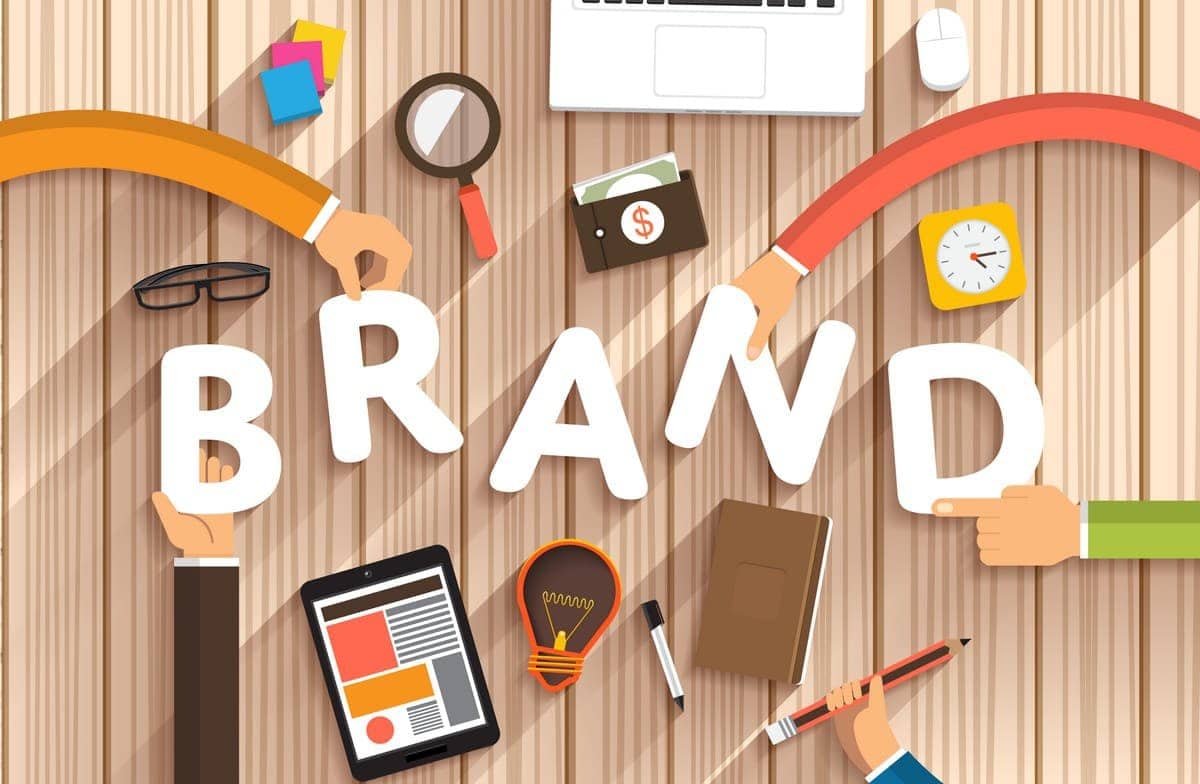
Branding iron holding jobs represent a fascinating niche where craftsmanship meets industry needs. These roles are pivotal in various sectors, allowing businesses to create memorable impressions through branding techniques. Understanding the responsibilities and skills involved can shed light on the importance of this unique profession.

This field encompasses a variety of jobs, each requiring specific skills. From operating branding irons to ensuring safety protocols, professionals in this area play a crucial role in enhancing brand identity across industries such as livestock, woodworking, and merchandise production.

Overview of Branding Iron Holding Jobs

Branding iron holding jobs encompass a specialized role within various industries where professionals utilize branding irons to mark products or materials. These jobs are significant as they contribute to product identity, quality assurance, and customer trust. Branding not only signifies ownership but also communicates the brand’s values and quality standards to consumers.The realm of branding iron holding jobs is diverse, encompassing various roles that require distinct skills.

For instance, individuals in these positions must possess a keen eye for detail, manual dexterity, and a solid understanding of materials and branding techniques. The types of jobs available in this field range from branding specialists to quality control inspectors. Each position plays a critical role in ensuring that branding is executed correctly and meets industry standards.

Types of Jobs in Branding Iron Holding

The branding iron holding sector offers a variety of job opportunities, each with unique responsibilities and skill sets. Understanding these roles helps in recognizing the importance of branding in business operations. The following are common types of jobs in this field:

  • Branding Specialist: Responsible for designing and implementing branding strategies, ensuring that the branding process aligns with the company’s vision.
  • Production Operator: Operates machinery that applies branding to products, requiring knowledge about different materials and branding techniques.
  • Quality Control Inspector: Ensures that branded products meet specific quality standards and specifications, often conducting tests and inspections.
  • Maintenance Technician: Maintains and repairs branding equipment, ensuring it operates smoothly and efficiently to prevent production delays.

Industries utilizing branding iron holding jobs span a wide spectrum, each benefiting from effective branding to enhance their market presence. These industries include:

  • Manufacturing: Product branding is essential for distinguishing goods in a competitive market, ensuring consumer recognition.
  • Food and Beverage: Branding is critical for packaging, as it communicates quality and origin, influencing consumer choices.
  • Textiles and Apparel: Branding on clothing items labels the brand and often reflects the style and quality of the garment.
  • Construction: Branding iron jobs are used to mark tools and materials, ensuring traceability and ownership.

Each of these industries showcases the importance of branding in enhancing product visibility and consumer trust, making branding iron holding jobs a vital component in contemporary business practices.

Tools and Equipment Used in Branding Iron Holding

In the world of branding iron holding, having the right tools and equipment is essential for ensuring both safety and effectiveness. The process involves not just the branding iron itself, but also a variety of supporting tools that contribute to the overall branding operation. Understanding these tools helps professionals to achieve clean, precise results while minimizing risks associated with the heat and pressure involved in the branding process.

The primary tools and equipment necessary for effective branding iron holding include the branding iron itself, heat sources, and safety gear. Branding irons come in different shapes and sizes, each tailored for specific applications, whether that’s for livestock, leather goods, or metal products. Proper handling and holding techniques, supported by the right tools, are crucial for achieving the desired branding results while ensuring safety for the operator.

Essential Tools and Equipment

A comprehensive list of tools and equipment used in branding iron holding is vital for successful branding operations. Below are the essential items that should be included in any branding toolkit:

  • Branding Iron: The core tool used for branding, available in electric, gas, or manual types.
  • Heat Source: Options include propane torches or electric heat converters to reach and maintain the necessary temperature.
  • Heat-Resistant Gloves: Essential for protecting hands from burns and ensuring a firm grip on the branding iron.
  • Protective Eyewear: Safety glasses or goggles to protect the eyes from heat and debris.
  • Branding Iron Stand: A stable surface for safely holding branding irons when not in use.
  • Measuring Tools: Rulers or calipers to ensure proper placement and alignment of the branding marks.

Types of Branding Irons and Their Uses

Branding irons are diverse in design and function, tailored to meet specific needs across various industries. Understanding the different types can help in selecting the right tool for the job.

Type of Branding Iron Description Common Uses
Electric Branding Irons Heat up quickly and maintain consistent temperatures. Commonly used for leather crafting and woodworking.
Gas Branding Irons Utilize propane or butane for heating, offering portability. Often used in agricultural settings for livestock branding.
Manual Branding Irons Require heating over an open flame and manual application. Typically used in artisanal crafts and small-scale production.
Custom Branding Irons Designed to feature specific logos or designs of a business. Ideal for branding products in retail and promotional materials.

Each branding iron type has unique features suited for specific applications, ensuring that professionals achieve the best results in their branding efforts.

Techniques for Effective Branding

Branding with iron techniques require precision and preparation to ensure that the final mark is clear, legible, and lasting. Achieving successful branding involves a series of steps that contribute to the overall effectiveness of the process. Whether branding livestock, wood, or leather, each material may require slightly different techniques, but the principles of effective branding remain consistent.One crucial aspect of effective branding is preparing surfaces properly before applying the branding iron.

This preparation helps to enhance the quality of the brand, ensuring that it adheres well and stands out clearly. A well-prepared surface allows for even heat distribution, improving the quality of the branding mark. Here are several important preparatory steps:

Surface Preparation Procedures

Preparing the surface before branding is essential to achieving the best results. The following procedures can help ensure that the branding surface is ready for application:

  • Cleaning the Surface: Ensure the surface is free from dirt, dust, and oils. For livestock, this may involve a thorough wash and drying process, while wood or leather surfaces might require sanding or wiping down with a damp cloth.
  • Assessing the Material: Different materials require different heat levels. For instance, leather needs a lower temperature compared to metal. Understanding the material helps in adjusting the branding iron’s heat accordingly.
  • Marking the Area: Use chalk or a light pencil mark to Artikel where the brand will be applied. This helps in positioning the branding iron accurately to avoid overlapping or misalignment.
  • Heating the Branding Iron: Preheat the branding iron to the appropriate temperature, which varies by material. A good test is to press the hot iron against a scrap piece of the same material to check for effectiveness.

To achieve the best branding results, avoiding common mistakes is equally important. Many individuals new to branding may overlook certain critical aspects that can lead to unsatisfactory outcomes. Awareness of these pitfalls can significantly enhance the effectiveness of branding techniques.

Common Mistakes to Avoid

Understanding what to avoid when using branding irons can lead to a much higher success rate. Consider these common mistakes and how to steer clear of them:

  • Incorrect Temperature: Using a branding iron that is too hot can scorch the material, while one that is not hot enough may not leave a proper mark. Always test the temperature on a similar material first.
  • Poor Pressure Application: Not applying enough pressure can result in an incomplete brand, while too much pressure can damage the material. Maintain a steady, even pressure when applying the branding iron.
  • Improper Timing: Holding the branding iron for too long can cause blurring, whereas too short a time results in a weak impression. Timing is key; typically, a few seconds will suffice, but this can vary by material.
  • Neglecting Safety Precautions: Always use protective gear and follow safety protocols. Branding irons can cause severe burns, so it’s essential to handle them with care and ensure that the working area is safe.

By employing effective techniques, following preparation procedures, and steering clear of common mistakes, the branding process can yield remarkable results. Effective branding not only reflects quality craftsmanship but also contributes to the durability and visibility of the mark, serving its intended purpose for years to come.

Safety Guidelines for Branding Iron Holding Jobs

40+ Branding Statistics Every Small Business Should Know

Ensuring safety while operating branding irons is crucial due to the inherent risks involved with high temperatures and physical equipment. Adhering to strict safety guidelines protects not only the individual performing the task but also those around them. This section Artikels essential safety measures and highlights the importance of personal protective equipment (PPE) specific to branding iron holding jobs.

Essential Safety Measures

Practicing safety is not just a regulatory requirement; it’s a vital aspect of any branding operation. Here are key safety measures to follow:

  • Always inspect branding irons before use for any signs of damage or wear, which can compromise safety.
  • Ensure a clear working area free of flammable materials to minimize the risk of fire.
  • Maintain a safe distance from other workers when using branding irons to prevent accidental injuries.
  • Use branding irons in well-ventilated spaces to avoid inhaling harmful fumes.
  • Be aware of the heat of branding irons at all times, using appropriate tools to handle them safely.
  • Keep a fire extinguisher nearby and ensure all operators are trained on its use.

Importance of Personal Protective Equipment (PPE)

The use of personal protective equipment is essential to safeguard against potential hazards associated with branding iron jobs. PPE includes items designed to protect various parts of the body and reduce injury risk. Key components of PPE for this industry are:

  • Heat-resistant gloves to protect hands from burns when handling hot branding irons.
  • Steel-toed boots that provide foot protection against heavy objects and falling equipment.
  • Protective eyewear to shield the eyes from sparks or splashes from heated materials.
  • Long sleeve shirts and durable aprons that offer additional protection against heat and potential injuries.

Always remember: “Safety first is safety always.” Implementing proper safety measures and utilizing PPE can prevent accidents and ensure a secure working environment in branding iron holding jobs.

Career Path and Advancement Opportunities

The field of branding iron holding offers a variety of career paths that cater to different interests and skill levels. Starting from entry-level positions, individuals can work their way up through hands-on experience, specialized training, and the acquisition of certifications. The growth potential within this industry is significant, allowing for personal and professional development over time.One of the most appealing aspects of branding iron holding jobs is the potential for advancement.

Individuals can begin their careers in basic roles and gradually progress to more advanced positions, each with distinct responsibilities and skill requirements. Here’s a look at some potential career paths and advancement opportunities within this field:

Entry-Level and Advanced Roles

Starting positions in branding iron holding typically include roles such as an apprentice or junior branding technician. These roles usually involve learning the basics of the job under the supervision of experienced professionals. As skills are developed and proficiency is demonstrated, individuals can transition into more advanced roles, such as:

  • Branding Technician: Responsible for executing branding techniques with precision and ensuring that quality standards are met.
  • Senior Branding Specialist: In this role, professionals oversee branding projects, manage teams, and provide training to new staff, utilizing their experience to enhance workflow and efficiency.
  • Branding Supervisor: This position involves overseeing multiple branding projects, ensuring compliance with safety regulations, and managing resources effectively.
  • Branding Consultant: Experienced professionals may choose to offer their expertise independently, assisting businesses in developing effective branding strategies.

Training and Certification Programs

To enhance skill sets and improve career prospects, numerous training and certification programs are available. These programs focus on developing specific techniques, safety protocols, and industry standards. Engaging in continuous education can significantly impact one’s career trajectory. Some beneficial programs include:

  • Certification in Branding Techniques: This program covers advanced methods and technologies in branding, providing participants with a competitive edge.
  • Safety and Compliance Training: Essential for all professionals, this training ensures adherence to safety guidelines, reducing workplace hazards.
  • Leadership and Management Courses: For those aspiring to supervisory positions, these courses focus on team management, project oversight, and communication skills.

Individuals seeking to advance their careers in branding iron holding can greatly benefit from these training programs. The right blend of experience and education can lead to higher earning potential, greater job satisfaction, and enhanced professional reputation.

Continuous learning and skill enhancement are key to success in the branding iron holding industry.

Real-world Applications of Branding Iron Holding

Branding iron holding plays a significant role in product identity and marketing strategies across various industries. This technique, traditionally associated with livestock branding, has evolved into a crucial element for businesses aiming to establish a unique presence in the market. By utilizing branding irons, companies can create memorable impressions that resonate with customers, enhancing loyalty and trust.The impact of branding on product identity cannot be overstated.

Effective branding communicates not just the name of the product but also its essence, values, and qualities. Companies that skillfully employ branding irons often witness a marked improvement in customer perception and market positioning. The ability to differentiate products in a crowded marketplace can lead to increased sales and customer retention.

Successful Case Studies in Branding Iron Holding

Several businesses have successfully implemented branding iron holding techniques, showcasing the versatility and effectiveness of this approach. These case studies provide insight into how branding can elevate a company’s profile and foster consumer relationships:

1. Craft Breweries

Many craft breweries use branding irons to imprint their logo onto wooden barrel heads or even on the foam of the beer. This not only enhances the aesthetic appeal of their product but also reinforces brand identity. For instance, a brewery in Oregon has seen a 30% increase in customer retention by incorporating their distinctive branding on all their packaging and promotional materials.

2. Artisan Food Producers

Small-scale food producers often utilize branding irons to mark their products, such as cheese wheels or smoked meats. One renowned cheese maker in Vermont successfully branded their artisanal cheeses with a unique design that reflects their local heritage, leading to a 50% rise in sales during peak seasons.

3. Furniture Makers

Custom furniture artisans frequently brand their creations with a unique logo using branding irons. A furniture company in Texas has adopted this practice, which has not only enhanced the perceived value of their products but also generated buzz on social media, leading to a 40% increase in orders.

The Impact of Branding on Product Identity and Customer Perception

Branding is essential in defining how customers perceive a product. A strong brand image can evoke feelings of trust, quality, and loyalty, while a weak brand can lead to indifference or skepticism. The following points illustrate the significance of branding in shaping consumer behavior:

Trust Building

Customers are more likely to choose products that are consistently branded and recognizable. A memorable brand can foster trust and encourage repeat purchases.

Value Perception

Effective branding can create a perception of higher value. Products that are uniquely branded often command higher prices, as customers associate strong brands with quality and reliability.

Emotional Connection

Brands that successfully resonate emotionally with consumers tend to cultivate loyalty. Customers often develop bonds with brands that they perceive as reflecting their values or lifestyle.

Innovative Uses of Branding Irons in Modern Business Strategies

The application of branding irons has evolved, leading to innovative uses that align with modern business strategies. Companies are increasingly finding creative ways to leverage branding to enhance their market presence:

Promotional Events

Brands often set up live branding stations at events, where attendees can get items like leather goods or wooden products branded on-site. This interactive experience not only engages customers but also leaves them with a tangible reminder of the brand.

Sustainable Practices

Eco-conscious brands are utilizing branding irons to create minimalistic yet impactful branding on their products, such as reusable bags or eco-friendly packaging. This approach promotes sustainability while ensuring brand visibility.

Corporate Gifting

Businesses are using branded items as corporate gifts, such as wine boxes or gift sets that feature their logo. This strategy not only reinforces brand identity but also enhances corporate relationships.

“Effective branding is not just about a logo; it’s about creating a lasting impression that resonates with customers.”

Future Trends in Branding Iron Holding

As the field of branding iron holding evolves, various emerging trends and technologies are set to shape the future of this craft. The integration of new tools and sustainable practices is becoming increasingly important, along with a shift in consumer preferences that influences how branding is perceived and executed. Staying attuned to these changes will be essential for professionals in the industry to remain competitive and relevant.

Emerging Trends and Technologies

The branding iron holding industry is witnessing several notable trends that are transforming traditional practices. Advancements in technology, such as laser branding and digital heat applications, are increasingly being adopted. These technologies offer precision and versatility, allowing brands to create intricate designs that were once impossible with traditional methods. The implementation of augmented reality (AR) is another innovation gaining traction.

AR can provide customers with a virtual experience of how a brand’s product may look with different branding options. This adds an interactive element to the branding process, enhancing customer engagement.Furthermore, automation in branding processes is anticipated to increase efficiency and consistency. Automated branding systems can reduce the reliance on manual labor, enabling quicker turnaround times and minimizing human error.

Companies using this technology often report streamlined operations and improved productivity.

Role of Sustainability in Branding Practices

Sustainability is becoming a critical factor in branding practices as businesses increasingly recognize their environmental impact. The adoption of eco-friendly materials for branding irons, such as recycled metals or biodegradable options, reflects a commitment to reducing waste. Many companies are now prioritizing sustainable sourcing in their branding processes, ensuring that materials are obtained responsibly.The rise of consumer awareness regarding environmental issues drives brands to reassess their practices.

Products marketed with sustainable branding are often favored by consumers, which impacts purchasing decisions. This trend encourages brands to incorporate sustainability at every level, from product design to packaging.Companies that demonstrate a genuine commitment to sustainability in their branding practices not only build trust with consumers but also enhance their brand reputation, contributing to long-term success.

Consumer Preferences Shaping Branding Efforts

Consumers are becoming more discerning about the brands they support, and their preferences are significantly influencing branding efforts. There is a growing demand for authenticity and transparency in branding. Consumers are inclined to support brands that share their values and engage in ethical practices.Moreover, personalization is becoming a vital component of branding. Customers appreciate unique branding experiences tailored to their preferences.

This trend has prompted brands to explore customizable branding options, allowing consumers to have a say in how their products are marked.Social media and digital platforms have reshaped consumer interactions with brands. The ability to share experiences and feedback quickly can make or break a brand’s reputation. Companies are now focusing on creating brand stories that resonate with their audience, leveraging user-generated content to enhance credibility and connection.As the landscape of branding continues to change, understanding and adapting to these trends will be crucial for branding iron holding professionals looking to thrive in a competitive market.

Concluding Remarks

In conclusion, branding iron holding jobs are not just about applying heat to metal; they are about creating lasting impressions and contributing significantly to brand recognition. As industries evolve, the demand for skilled professionals in this field will likely grow, paving the way for exciting career advancements and innovations.

Q&A

What skills are essential for branding iron holding jobs?

Key skills include attention to detail, manual dexterity, and understanding safety procedures related to operating branding irons.

Are there specific safety certifications needed?

While not always required, certifications in workplace safety can be beneficial and sometimes mandatory, depending on the industry.

What industries commonly hire branding iron holding professionals?

Industries such as agriculture, woodworking, and artisanal crafts frequently utilize branding iron holding jobs.

Can I work in this field without prior experience?

Entry-level positions are available, but basic training or apprenticeship can enhance job prospects significantly.

What advancements can one expect in branding iron holding careers?

Career advancement may lead to roles in management, specialized branding techniques, or even starting your own branding business.

Branding and marketing AI is rapidly transforming how businesses connect with customers. From personalized campaigns to automated content creation, AI is reshaping the digital landscape. This exploration delves into the core concepts, practical applications, and ethical considerations of this innovative field.

This overview will discuss the various types of AI used in branding and marketing, including how they personalize campaigns, analyze customer data, and generate content. We will also explore the ethical implications of AI in marketing and the future trends in this evolving field.

Introduction to Branding and Marketing AI

Branding and marketing AI is rapidly transforming how companies connect with customers. It leverages artificial intelligence techniques to automate tasks, personalize experiences, and gain valuable insights from vast amounts of data. This leads to more efficient campaigns, targeted messaging, and improved customer relationships. The fundamental concepts of AI are crucial for understanding how these technologies impact branding and marketing strategies.Artificial intelligence is the ability of computer systems to perform tasks that typically require human intelligence, such as learning, problem-solving, and decision-making.

In the context of branding and marketing, AI enables computers to analyze vast amounts of data, identify patterns, and predict customer behavior, ultimately optimizing campaigns and boosting ROI. This empowers businesses to make data-driven decisions and adapt to ever-changing market trends.

Definition of Branding and Marketing AI

Branding and marketing AI encompasses the application of artificial intelligence algorithms and techniques to enhance branding and marketing strategies. This involves utilizing AI-powered tools and technologies to automate tasks, personalize customer experiences, and gain valuable insights from large datasets. The aim is to improve campaign effectiveness, optimize resource allocation, and enhance customer engagement.

Fundamental Concepts of AI in Branding and Marketing

AI in branding and marketing relies on several key concepts. Machine learning (ML) allows systems to learn from data without explicit programming. Deep learning (DL), a subset of ML, utilizes artificial neural networks with multiple layers to process complex data. Natural language processing (NLP) enables computers to understand and interpret human language, while computer vision (CV) allows systems to “see” and interpret images and videos.

These concepts work together to drive automated tasks, personalize interactions, and analyze customer data.

Types of AI Utilized in Branding and Marketing

Several types of AI are employed in branding and marketing. Machine learning algorithms are crucial for predictive modeling, customer segmentation, and campaign optimization. Deep learning models excel in tasks like image recognition for visual branding elements and sentiment analysis for understanding customer feedback. Natural Language Processing (NLP) is critical for analyzing customer conversations and generating personalized content. Computer vision allows for analyzing visual trends and optimizing creative assets.

Reshaping the Traditional Marketing Landscape

AI is significantly reshaping traditional marketing approaches. Automated processes streamline workflows, leading to increased efficiency and reduced costs. Personalized experiences, powered by AI, cater to individual customer preferences, boosting engagement and loyalty. Data-driven insights enable marketers to make informed decisions, leading to better campaign performance and ROI. This data-driven approach empowers marketers to understand and respond to customer needs more effectively.

AI in Branding and Marketing: A Detailed Overview

This table provides a summary of different AI types, their applications, benefits, and limitations in branding and marketing.

AI Type Application Benefits Limitations
Machine Learning (ML) Predictive modeling, customer segmentation, campaign optimization Improved accuracy in forecasting, targeted marketing, enhanced campaign performance Requires substantial data for training, potential for bias in algorithms
Deep Learning (DL) Image recognition, sentiment analysis, content generation Enhanced accuracy in image analysis, real-time sentiment detection, creative content generation Computational resources needed, complex model training process, potential for overfitting
Natural Language Processing (NLP) Customer conversation analysis, personalized content generation Improved understanding of customer needs, tailored content experiences, enhanced customer service Difficulty in understanding nuanced language, potential for misinterpretations
Computer Vision (CV) Visual trend analysis, creative asset optimization Improved visual brand consistency, optimized creative assets for different platforms, enhanced user experience High computational costs, limited understanding of context, potential for bias in algorithms

AI in Digital Marketing Strategies

AI is rapidly transforming digital marketing, enabling businesses to personalize interactions, target customers more effectively, and optimize campaigns for better ROI. This intelligence-driven approach leverages vast datasets and sophisticated algorithms to make informed decisions, ultimately leading to increased efficiency and improved results.AI algorithms are pivotal in personalizing marketing campaigns. By analyzing individual customer data, including browsing history, purchase patterns, and demographics, AI can tailor messaging and offers to specific needs and preferences.

This personalized approach fosters stronger customer relationships and increases engagement rates.

Personalization of Marketing Campaigns

AI algorithms analyze extensive customer data to generate highly personalized experiences. This data includes browsing history, purchase patterns, and demographic information. By identifying specific needs and preferences, AI can create customized marketing materials, targeted promotions, and personalized recommendations. This targeted approach fosters stronger customer relationships and encourages higher engagement rates. For instance, a retailer using AI might recommend specific products based on past purchases or browsing behavior, increasing the likelihood of a sale.

AI-Powered Analysis of Customer Data for Targeted Advertising

AI excels at analyzing vast amounts of customer data to identify patterns and insights that inform targeted advertising. This analysis goes beyond basic demographics to uncover nuanced preferences, behaviors, and motivations. The outcome is a more precise understanding of the ideal customer profile, leading to higher conversion rates. For example, AI can identify specific customer segments interested in particular products or services, allowing marketers to tailor their advertising campaigns to those segments with highly relevant messaging.

Examples of AI-Powered Marketing Tools and Platforms

Numerous AI-powered marketing tools and platforms are available to streamline and enhance various marketing activities. These tools range from chatbots for customer service to sophisticated email marketing automation platforms. These tools are designed to enhance efficiency, reduce manual tasks, and increase overall marketing effectiveness. Examples include:

  • Chatbots: AI-powered chatbots can handle customer inquiries, provide product information, and offer personalized support, improving customer experience and efficiency.
  • Automated email marketing platforms: AI algorithms can segment email lists, personalize email content, and optimize delivery times, resulting in higher open and click-through rates.
  • Social media management tools: AI can analyze social media trends and engagement to help marketers tailor content, identify influencers, and optimize campaigns for maximum reach.

AI in Search Engine Optimization ()

AI is impacting search engine optimization () by analyzing user search behavior and website data to improve website rankings. This includes identifying relevant s, optimizing content, and improving website structure. This process enhances visibility, driving more organic traffic and increasing conversions.

Traditional vs. AI-Driven Marketing Strategies

Feature Traditional Marketing AI-Driven Marketing
Targeting Broad, demographic-based Highly specific, personalized
Data Analysis Limited, often manual Extensive, automated
Campaign Optimization Reactive, based on intuition Proactive, data-driven
Efficiency Often time-consuming Automated, time-saving
Cost Potentially higher due to manual efforts Potentially lower due to automation

AI-Powered Content Creation

AI is rapidly transforming content creation in marketing, offering opportunities for efficiency and personalization. Leveraging AI’s capabilities allows marketers to produce a wider range of content types and adapt to diverse target audiences with tailored messaging. This frees up human resources to focus on more strategic aspects of the marketing process.AI tools are no longer just for generating basic text.

They’re capable of crafting engaging social media posts, crafting compelling blog articles, and even creating visually appealing graphics, streamlining the entire content creation pipeline.

AI for Generating Marketing Materials

AI tools excel at producing various marketing materials. From short, attention-grabbing social media posts to detailed, informative blog articles, AI can generate different formats to suit specific needs. These tools are particularly helpful for businesses needing a high volume of content or those with limited in-house writing resources. AI can also craft different types of marketing copy, like email marketing messages and ad copy, further amplifying its impact on the marketing process.

Tailoring Content to Target Audiences

AI algorithms can analyze vast amounts of data to understand the preferences and behaviors of different target audiences. This allows for the creation of highly targeted content. By understanding the language, interests, and pain points of specific segments, AI can tailor messaging and deliver the most impactful content to each audience. This targeted approach increases engagement and conversions, making it an effective tool in personalized marketing strategies.

AI Tools for Content Creation and Optimization

Several AI tools are available to assist in the creation and optimization of marketing materials. These tools range from basic text generation programs to more sophisticated platforms that offer comprehensive content creation and analysis. Examples include Jasper, Copy.ai, and Rytr. These tools often have features for optimizing content for search engines () and suggest improvements to increase readability and engagement.

Other tools specialize in creating visuals, further enhancing the marketing strategy.

Comparison of AI-Generated and Human-Written Content

AI-generated content offers speed and scalability, enabling marketers to produce content at a much faster pace than human writers. However, human-written content often possesses a more nuanced understanding of human emotions and can tailor content with more sophisticated storytelling techniques. AI-generated content can sometimes lack originality or depth, appearing generic compared to thoughtfully crafted human-written content.

Stages of Content Creation Using AI Tools

The following table Artikels the typical stages involved in content creation using AI tools.

Stage Description
Input Definition Defining the content type, target audience, and desired tone. AI tools often require specific prompts to guide the creation process.
AI Content Generation Using the AI tool to create the initial content draft. Parameters and prompts influence the generated text and structure.
Refinement and Editing Reviewing the AI-generated content and making necessary edits to improve clarity, accuracy, and tone. This step is crucial for quality control and ensuring alignment with brand guidelines.
Optimization Optimizing the content for specific platforms (e.g., social media, search engines). AI tools can assist with optimization and suggestions.
Review and Publication Final review and publication of the content, ensuring alignment with brand standards.

AI in Customer Relationship Management (CRM)

AI is rapidly transforming customer relationship management (CRM), enhancing interactions, automating tasks, and providing valuable insights into customer behavior. This integration of AI empowers businesses to deliver personalized experiences, improve customer satisfaction, and ultimately, drive revenue growth. AI-powered CRM systems are becoming increasingly sophisticated, enabling companies to better understand their customers and tailor their strategies for optimal results.

AI Enhancing Customer Interaction and Engagement

AI’s ability to analyze vast amounts of customer data allows for a more nuanced understanding of individual needs and preferences. This data-driven approach enables businesses to personalize interactions, offering tailored recommendations and support, leading to higher levels of customer satisfaction and engagement. AI-driven personalization extends beyond basic product recommendations, adapting to customer behavior in real-time to optimize communication and interactions.

AI in Chatbots and Virtual Assistants for Customer Service

Chatbots and virtual assistants are at the forefront of AI-powered customer service. These AI-driven tools automate routine inquiries, provide instant support, and address customer needs 24/7. This continuous availability enhances customer satisfaction and reduces response times, significantly improving the overall customer experience. Furthermore, chatbots can collect and analyze customer feedback, enabling businesses to identify areas for improvement in their products and services.

Examples of AI-Powered CRM Systems and Their Benefits

Numerous AI-powered CRM systems are available, each offering unique features and benefits. For instance, Salesforce Einstein integrates AI capabilities directly into the Salesforce CRM platform. This integration enables predictive analytics, personalized recommendations, and automated tasks, streamlining customer interactions and improving operational efficiency. Other systems utilize AI for sentiment analysis of customer interactions, enabling proactive identification of potential issues and providing tailored support.

AI Predicting Customer Behavior and Preferences

AI algorithms can analyze historical customer data to identify patterns and trends, enabling businesses to anticipate future behavior. By identifying recurring purchase patterns and preferences, businesses can anticipate customer needs and proactively offer relevant products or services. This predictive capability allows for more targeted marketing campaigns, increased sales, and improved customer lifetime value. For example, an e-commerce platform might use AI to anticipate a customer’s need for a specific product based on their past browsing history and purchase behavior.

AI-Driven Customer Service Scenarios

Scenario AI-Driven Action Customer Benefit
Customer requests product information AI chatbot instantly provides detailed product specifications and relevant links. Faster and more comprehensive information access.
Customer expresses dissatisfaction with a product AI system identifies the sentiment and routes the customer to the appropriate support agent. Quick resolution of issues and improved customer experience.
Customer frequently purchases a particular product type AI system proactively suggests related products based on past purchases. Personalized recommendations and potentially increased sales.
Customer account shows unusual activity AI flags potential fraud and alerts the support team. Protection against fraudulent activities and enhanced security.

Ethical Considerations of AI in Branding and Marketing

AI is rapidly transforming branding and marketing, offering unprecedented opportunities for personalization and efficiency. However, the ethical implications of these advancements cannot be overlooked. AI systems, particularly those reliant on vast datasets, can perpetuate existing societal biases, raise concerns about data privacy, and challenge the very notion of authenticity in marketing communications. A careful consideration of these ethical dimensions is crucial for responsible AI implementation.The integration of AI into branding and marketing strategies necessitates a profound understanding of the potential ethical pitfalls and proactive measures to mitigate them.

Ignoring these issues could lead to reputational damage, legal challenges, and ultimately, a loss of consumer trust. Therefore, a robust ethical framework is essential for guiding the development and application of AI in this field.

Potential Biases in AI Algorithms

AI algorithms are trained on data, and if that data reflects existing societal biases, the algorithms will likely perpetuate them. This can manifest in discriminatory marketing practices, where certain demographics are targeted with specific products or messages while others are ignored. For instance, an algorithm trained on historical sales data might inadvertently favour customers from higher socioeconomic backgrounds, neglecting those from lower ones.

This can result in unequal access to products and services, exacerbating existing inequalities. Careful consideration of data sources and algorithmic design is essential to avoid reinforcing societal biases.

Data Privacy and Security in AI-Driven Marketing

Data privacy and security are paramount in AI-driven marketing. AI systems rely on vast amounts of customer data, raising significant concerns about data breaches and unauthorized access. Robust security measures, adherence to data protection regulations (like GDPR), and transparent data usage policies are crucial to safeguard user information. Organizations must prioritize the ethical use of data and obtain explicit consent for its collection and utilization.

Failure to do so can result in substantial legal and reputational risks.

Ethical Challenges Related to AI-Generated Content

AI can now generate various forms of marketing content, from advertisements to social media posts. However, this raises concerns about authenticity and potential misuse. AI-generated content might not always reflect human creativity or nuanced understanding of specific cultural contexts. It is important to ensure that the content generated is ethical and aligned with the brand’s values. Moreover, a lack of transparency regarding the AI’s role in content creation can erode consumer trust.

Transparency and Accountability in AI Marketing Practices

Transparency and accountability are critical for building consumer trust in AI-driven marketing. Clear communication about how AI is being used in marketing decisions and campaigns is vital. Organizations should disclose the use of AI algorithms and explain their decision-making processes. This transparency fosters trust and enables consumers to make informed choices. Moreover, mechanisms for accountability, including clear lines of responsibility for AI-related actions, are necessary to address potential issues and mitigate risks.

Ethical Guidelines for AI Implementation

Aspect Ethical Guideline
Data Collection Collect data ethically and transparently, obtaining explicit consent from individuals.
Algorithmic Bias Actively monitor and mitigate biases in AI algorithms, using diverse and representative datasets for training.
Content Authenticity Ensure transparency in AI-generated content, clearly labeling it when appropriate.
Privacy and Security Implement robust security measures to protect user data and comply with relevant privacy regulations.
Transparency and Accountability Provide clear explanations of how AI is used in marketing decisions, establishing clear lines of accountability.

AI and Digital Marketing Trends

AI is rapidly transforming the digital marketing landscape, driving innovation and efficiency across various facets of the industry. This evolution is characterized by a shift from basic automation to sophisticated intelligence that analyzes vast datasets to personalize user experiences and optimize campaigns. Brands are leveraging AI to understand customer behavior more deeply and to create tailored marketing strategies.AI-powered tools are automating repetitive tasks, allowing marketers to focus on strategic initiatives and creative endeavors.

The increasing availability of robust data analytics capabilities, coupled with sophisticated algorithms, enables more precise targeting and campaign optimization, resulting in enhanced ROI.

Emerging Trends in AI Marketing

AI is not merely a tool but an integral component of modern digital marketing strategies. A multitude of trends are emerging, each with the potential to significantly alter how brands interact with their target audiences. These trends encompass personalized experiences, predictive analytics, and the development of AI-driven creative content.

  • Hyper-Personalization: AI algorithms are capable of creating highly personalized customer experiences by analyzing vast amounts of data, including purchase history, browsing behavior, and demographics. This enables marketers to deliver tailored recommendations, product suggestions, and targeted advertising messages, leading to higher engagement and conversion rates. For example, e-commerce platforms use AI to recommend products based on individual customer preferences, resulting in a more relevant and satisfying shopping experience.

  • Predictive Analytics for Campaign Optimization: AI can predict customer behavior and market trends, enabling proactive adjustments to marketing campaigns. This includes anticipating potential issues, identifying profitable opportunities, and optimizing campaign performance in real-time. For instance, AI can predict which customers are likely to churn, enabling proactive interventions to retain them, thereby improving customer lifetime value.
  • AI-Driven Content Creation: AI is increasingly capable of generating various forms of content, such as articles, social media posts, and marketing copy. This capability allows marketers to produce more content at scale, often with greater efficiency and consistency. This includes writing different styles of marketing copy for various channels.
  • Enhanced Customer Service with Chatbots: AI-powered chatbots are becoming more sophisticated in handling customer inquiries and resolving issues. They can offer immediate support, gather customer feedback, and gather valuable insights. This reduces response times, improves customer satisfaction, and allows human agents to focus on more complex issues.
  • Automated Marketing Processes: AI is streamlining marketing processes by automating tasks such as email marketing, social media scheduling, and ad campaign management. This leads to increased efficiency, reduced operational costs, and enhanced time management, allowing marketing teams to focus on strategy development and innovation.

Future of AI in Branding and Marketing

The future of AI in branding and marketing will be defined by its ability to create more meaningful and personalized interactions with consumers. AI will continue to evolve, becoming more sophisticated in its ability to understand and respond to human emotions and behaviors. This will lead to even more precise targeting, greater personalization, and increased efficiency in marketing campaigns.

  • Real-time Adaptability: AI systems will be capable of adjusting marketing strategies in real-time based on changing market conditions and consumer feedback. This will allow for more dynamic and responsive campaigns, leading to better engagement and conversion rates.
  • Augmented Creativity: AI will play a more significant role in creative content generation. This will allow marketers to explore new and innovative ways to engage audiences, pushing the boundaries of creativity and communication.

Innovative AI Marketing Strategies

Innovative AI marketing strategies are emerging that leverage the power of AI to create personalized and engaging experiences for consumers. These strategies are driven by the ability of AI to analyze vast amounts of data to gain deeper insights into customer behavior and preferences.

  • Personalized Product Recommendations: AI algorithms can analyze customer purchase history, browsing behavior, and demographics to provide highly personalized product recommendations. This leads to higher conversion rates and increased customer satisfaction.

Potential Disruptions to the Digital Marketing Landscape

The integration of AI into digital marketing is creating significant disruptions, altering how brands interact with consumers and operate within the industry. These disruptions are driven by the power of AI to analyze vast amounts of data and personalize interactions.

Emerging AI Marketing Trend Predicted Impact
Hyper-Personalization Increased customer engagement and conversion rates, leading to enhanced customer lifetime value.
Predictive Analytics Improved campaign performance and optimization, enabling proactive responses to market changes.
AI-Driven Content Creation Enhanced content creation efficiency and consistency, leading to cost savings and increased output.
Enhanced Customer Service with Chatbots Improved customer satisfaction and reduced response times, freeing up human agents for more complex tasks.
Automated Marketing Processes Increased efficiency and reduced operational costs, enabling marketers to focus on strategic initiatives.

Digital Marketing Fundamentals

The Best AI Marketing Platform of 2025 | 6sense

Digital marketing is the application of marketing principles and strategies using digital channels. It’s a multifaceted approach crucial for businesses to connect with their target audience, build brand awareness, drive sales, and achieve overall marketing objectives in the ever-evolving digital landscape. Understanding the core principles, channels, and data analysis techniques are essential for creating effective digital marketing campaigns.Effective digital marketing hinges on a deep understanding of the target audience and their online behavior.

This knowledge informs the selection of appropriate channels and the creation of engaging content. Furthermore, constant monitoring and adaptation to evolving trends are vital to maintaining a competitive edge.

Core Principles of Digital Marketing

Digital marketing principles encompass a range of interconnected strategies. These principles are fundamental to creating a robust and effective digital marketing campaign. Key principles include understanding your target audience, defining clear objectives, crafting compelling content, and utilizing relevant channels to reach your audience.

Examples of Digital Marketing Channels

A variety of digital channels facilitate interaction and engagement with target audiences. These channels provide diverse avenues for businesses to reach their customers. Some of the key digital marketing channels include:

  • Search Engine Optimization (): Optimizing websites and content to improve search engine rankings, thereby increasing organic traffic. This involves research, on-page optimization, and off-page strategies.
  • Search Engine Marketing (SEM): Using paid advertising on search engines to drive targeted traffic to websites. This includes creating and managing paid search campaigns, utilizing s, and bidding on relevant search queries.
  • Social Media Marketing: Leveraging social media platforms to engage with audiences, build brand awareness, and drive traffic. Strategies include creating engaging content, running targeted ads, and fostering community interactions.
  • Content Marketing: Creating and distributing valuable content to attract and engage a target audience, ultimately driving profitable customer action. This includes producing blogs, articles, videos, and other forms of content.
  • Email Marketing: Utilizing email to nurture leads, promote products or services, and build customer relationships. This involves building email lists, creating engaging email campaigns, and segmenting audiences for targeted messaging.
  • Paid Social Media Advertising: Utilizing paid advertising on social media platforms to target specific demographics and interests. This includes creating engaging ads and targeting specific user segments.
  • Affiliate Marketing: Collaborating with other businesses to promote products or services and earn commissions on sales. This includes identifying suitable affiliate partners and incentivizing their efforts.

Customer Journey Mapping in Digital Marketing

Customer journey mapping is a crucial element in digital marketing. It provides a visual representation of the customer’s interaction with a brand across various touchpoints. This approach helps understand customer needs and pain points, enabling businesses to optimize the customer experience. By visualizing the customer’s journey, companies can identify areas where improvements can be made.

Role of Data Analysis in Digital Marketing Campaigns

Data analysis plays a pivotal role in optimizing digital marketing campaigns. Analyzing key metrics provides valuable insights into campaign performance, enabling businesses to refine strategies and improve results. It involves tracking metrics like website traffic, conversion rates, and customer engagement. Data analysis helps in understanding customer behavior and preferences, thereby enabling informed decisions about future marketing efforts.

Digital Marketing Channels and Key Metrics

The table below highlights various digital marketing channels and their associated key metrics. Tracking these metrics is crucial for assessing campaign performance and making data-driven decisions.

Digital Marketing Channel Key Metrics
Search Engine Optimization () Organic traffic, rankings, website traffic, bounce rate, time on site
Search Engine Marketing (SEM) Click-through rate (CTR), cost per click (CPC), conversion rate, return on ad spend (ROAS)
Social Media Marketing Engagement rate, reach, impressions, followers, website traffic, conversions
Content Marketing Website traffic, leads generated, engagement metrics (likes, shares, comments), conversion rate
Email Marketing Open rate, click-through rate (CTR), conversion rate, unsubscribe rate, deliverability rate
Paid Social Media Advertising Reach, impressions, engagement rate, click-through rate (CTR), cost per click (CPC), conversion rate, return on ad spend (ROAS)
Affiliate Marketing Sales generated, commission earned, customer acquisition cost (CAC)

AI and Digital Marketing

AI is rapidly transforming the digital marketing landscape, offering businesses new opportunities to connect with customers and achieve their marketing goals. This shift presents a compelling need to understand the interplay between traditional marketing methods and the innovative capabilities of AI. This analysis will explore the differences between traditional and AI-driven strategies, examining their respective strengths and weaknesses, and considering the potential for synergistic approaches.Traditional marketing methods often rely on human intuition and experience, while AI-powered approaches leverage data analysis and algorithms to automate processes and personalize customer interactions.

This evolution signifies a fundamental change in how businesses engage with their target audiences.

Traditional vs. AI-Driven Digital Marketing Approaches

Traditional digital marketing often employs methods like , social media marketing, and email campaigns. These approaches rely on human creativity, market research, and targeted campaigns. The strengths lie in the ability to craft compelling narratives, build strong brand identities, and connect with audiences on an emotional level. However, traditional methods can be resource-intensive, lacking the ability for real-time optimization and personalized interactions.

Conversely, AI-driven approaches leverage machine learning algorithms to analyze vast datasets, identify patterns, and personalize customer experiences.

Strengths and Weaknesses of Each Approach

Traditional digital marketing excels at creating engaging content and building relationships, but it struggles with scalability and real-time adaptation. AI, on the other hand, excels at analyzing massive datasets, automating tasks, and personalizing interactions, yet it can lack the creative spark and nuanced understanding of human emotion.

  • Traditional Strengths: Building brand identity, crafting compelling narratives, creating human connections, adaptability in market fluctuations.
  • Traditional Weaknesses: Limited scalability, lack of real-time data analysis, high reliance on human input, potentially higher costs for large-scale campaigns.
  • AI Strengths: Real-time data analysis, personalized customer interactions, automated tasks, high scalability, cost-effective for large-scale data processing.
  • AI Weaknesses: Potential for algorithmic bias, lack of human creativity and emotional understanding, dependence on data quality, potential for ethical concerns.

Synergy Between AI and Traditional Methods

Integrating AI with traditional marketing techniques offers the best of both worlds. AI can enhance traditional methods by automating repetitive tasks, personalizing campaigns, and providing real-time data insights. Traditional marketing can leverage AI to inform content creation, target specific demographics, and optimize campaign performance.

Impact on Marketing Roles and Responsibilities

The rise of AI is reshaping the role of marketers. Traditional roles like content creators and social media managers will likely evolve to focus on strategy, creativity, and relationship building, with AI taking over repetitive tasks. New roles focused on AI data analysis and algorithm optimization may emerge.

Cost and Efficiency Comparison

Feature Traditional Digital Marketing AI-Driven Digital Marketing
Cost Can vary significantly based on scale and resources; potentially higher for large-scale campaigns. Generally more cost-effective for large-scale campaigns; lower operational costs due to automation.
Efficiency Often slower to adapt to market changes; requires significant human input for campaign optimization. High efficiency due to automation; allows for real-time optimization and rapid adjustments.
Scalability Limited scalability; requires significant resources for large-scale operations. High scalability; can easily adapt to increasing customer bases and market demands.
Personalization Limited personalization capabilities; often relies on broad demographic targeting. High personalization capabilities; allows for tailored experiences based on individual customer data.

Final Wrap-Up

In conclusion, the integration of AI in branding and marketing offers immense potential for enhanced customer engagement and optimized strategies. However, it’s crucial to acknowledge the ethical considerations and potential limitations of these powerful tools. The future of marketing likely lies in a symbiotic relationship between human creativity and AI-powered efficiency.

Question Bank

What are the different types of AI used in branding and marketing?

Various AI types are employed, including machine learning for personalization, natural language processing for content generation, and computer vision for image analysis.

How does AI personalize marketing campaigns?

AI algorithms analyze customer data to tailor messaging and offers, leading to more relevant and engaging interactions.

What are the ethical concerns surrounding AI-generated content?

Authenticity and potential bias are key ethical considerations, requiring careful development and monitoring of AI systems.

What are the limitations of AI in branding and marketing?

While powerful, AI tools may struggle with nuanced human emotions or complex social dynamics, requiring human oversight and judgment for effective strategies.

Branding Iron Restaurant, nestled in Curwensville, PA, promises a unique dining experience. From its historical roots to its modern menu, the restaurant offers a compelling blend of tradition and innovation. This report delves into the restaurant’s offerings, local market analysis, customer feedback, and strategic digital marketing plans, ultimately providing a roadmap for continued success.

This comprehensive analysis examines the restaurant’s strengths, weaknesses, and opportunities in the local market. It explores customer perceptions, current marketing strategies, and identifies potential avenues for future growth. A thorough understanding of these factors is crucial for optimizing the restaurant’s performance and achieving its long-term goals.

Restaurant Overview

Branding Iron - Rawhide Western Town

Branding Iron Restaurant, located in Curwensville, PA, offers a hearty, home-style dining experience. Known for its delicious, locally-sourced cuisine and welcoming atmosphere, the restaurant has quickly become a favorite among residents and visitors alike. Its commitment to quality ingredients and traditional cooking methods creates a unique dining experience that stands out in the area.

Restaurant History

Branding Iron Restaurant was established in 2015 by [Owner Name]. The restaurant initially focused on serving traditional American comfort food. Over the years, the menu has evolved to include more modern interpretations of classic dishes while maintaining a focus on locally sourced ingredients. The restaurant’s success can be attributed to its commitment to customer satisfaction and high-quality food.

Restaurant Ambiance

The restaurant’s ambiance is warm and inviting, creating a cozy atmosphere perfect for families, couples, and groups of friends. The interior design features rustic decor, highlighting the restaurant’s commitment to a traditional American feel. Soft lighting and comfortable seating contribute to a relaxed dining experience.

Unique Selling Propositions

Branding Iron stands out with its emphasis on locally sourced ingredients, using fresh produce and meats from regional farms whenever possible. This commitment to local suppliers supports the community and ensures the freshest ingredients for their dishes. The restaurant also features a wide selection of craft beers on tap, carefully curated to complement the diverse menu offerings. This aspect enhances the overall dining experience.

Target Audience

The restaurant’s target audience includes families, couples, and individuals seeking a satisfying, traditional American dining experience. The friendly service and affordable prices make it accessible to a broad range of customers.

Menu Highlights

The menu at Branding Iron features a variety of classic dishes with a modern twist. The restaurant’s specialties include hearty stews, flavorful roasts, and delectable desserts.

Menu

The menu offers a delightful selection of dishes, ensuring there’s something for everyone. Below is a sample of some popular dishes.

Name Description Price Image
Prime Rib Tender, slow-cooked prime rib, served with roasted vegetables. $25 Imagine a beautifully seared prime rib, resting on a bed of roasted root vegetables, bathed in a rich gravy.
Chicken Pot Pie A comforting chicken pot pie, filled with tender chicken and savory vegetables, encased in a flaky crust. $18 Visualize a golden-brown, crispy-edged pot pie, with a rich, flavorful filling, perfect for a chilly evening.
Grilled Salmon Fresh grilled salmon, seasoned simply and served with a lemon-dill sauce. $22 Picture a perfectly cooked salmon fillet, glistening with its natural oils, seasoned with fresh herbs, and served with a vibrant lemon-dill sauce.
Chocolate Lava Cake Decadent chocolate lava cake, served with vanilla ice cream. $10 Imagine a molten chocolate cake, with a warm, gooey center, topped with a scoop of creamy vanilla ice cream.

Operating Hours

Branding Iron Restaurant is open [Days of the week] from [Start Time] to [End Time].

Local Market Analysis

The Curwensville, PA dining scene presents a unique opportunity for Branding Iron Restaurant. Understanding the local competitive landscape, community demographics, and economic factors is crucial for strategic planning and success. Analyzing these aspects will allow for tailoring marketing strategies and menu offerings to effectively target the local market.

Competitive Landscape

Curwensville has a variety of dining options, ranging from casual eateries to more upscale establishments. Identifying direct and indirect competitors is vital for understanding market share and potential customer overlap. Key competitors include local family-style restaurants, fast-casual chains, and potentially some establishments in neighboring towns. A thorough analysis of these competitors, including their strengths (e.g., established brand recognition, specific menu items) and weaknesses (e.g., limited menu options, poor customer reviews), will inform Branding Iron’s positioning and marketing efforts.

Community Demographics and Preferences

Curwensville’s demographic makeup influences the types of restaurants that thrive in the area. A strong understanding of the local population’s age groups, family structures, and dietary preferences is vital for attracting and retaining customers. Data suggests a mix of families, young professionals, and retirees. This diverse customer base necessitates a menu that caters to a variety of tastes and preferences.

Economic Conditions and Impact

The current economic climate in the region affects consumer spending habits. Local economic trends, such as employment rates and income levels, directly impact restaurant patronage. Factors like inflation and fluctuating costs of ingredients must be considered when pricing menus and managing operational expenses. Analyzing historical data and current economic reports will provide insights into potential adjustments to menu pricing and promotional strategies.

Local Events and Festivals

Local events and festivals are important drivers of restaurant traffic. Understanding the schedule of local events and community celebrations can inform marketing strategies and staffing plans. Events such as community fairs or seasonal festivals can attract substantial customer traffic. Marketing campaigns aligned with these events can be highly effective in attracting new customers and increasing sales during peak periods.

Competitive Analysis Table

Feature Branding Iron Restaurant Competitor 1 (Example: “The Local Grill”) Competitor 2 (Example: “Quick Bites”) Competitor 3 (Example: “The Farmhouse”)
Pricing (Average Main Course) $15-$20 $12-$18 $8-$15 $22-$28
Menu Items American cuisine with a focus on fresh, local ingredients. Features steaks, seafood, and a selection of seasonal dishes. Family-style meals, emphasizing comfort food, and burgers. Fast-casual options, including sandwiches, salads, and soups. Farm-to-table menu with emphasis on locally sourced ingredients.
Customer Reviews (Average Rating on Yelp/Google) (Placeholder – Obtain actual data) (Placeholder – Obtain actual data) (Placeholder – Obtain actual data) (Placeholder – Obtain actual data)

This table provides a preliminary comparison. Actual data on pricing, menu items, and customer reviews must be collected and analyzed to accurately reflect the competitive landscape.

Customer Feedback & Perception

Customer feedback is crucial for understanding how Branding Iron Restaurant is perceived by its clientele. Analyzing reviews and testimonials provides valuable insights into areas of strength and potential improvement, enabling informed adjustments to enhance the dining experience. This analysis will detail customer feedback, highlighting recurring themes and overall perceptions, as well as a method for future feedback collection and analysis.Understanding customer perception is vital for adapting to evolving tastes and preferences.

Positive feedback reinforces successful strategies, while negative feedback can be used to rectify shortcomings. A well-structured feedback system can directly translate into a more satisfying dining experience for patrons and ultimately contribute to the long-term success of Branding Iron Restaurant.

Customer Review Summary

Customer reviews, both positive and negative, provide a comprehensive picture of the dining experience at Branding Iron Restaurant. A careful analysis reveals a blend of enthusiastic praise and constructive criticism, reflecting the diverse tastes of the customer base. Positive comments frequently mention the quality of the food, particularly the unique menu items. Reviews also frequently praise the welcoming atmosphere and attentive service.

Recurring Themes in Reviews

Several recurring themes emerge from the analysis of customer feedback. Positive comments frequently highlight the high-quality ingredients used in the dishes, while some customers express concern about portion sizes, particularly those seeking larger portions. Additionally, a few reviews express the desire for a wider variety of vegetarian options on the menu. This indicates a segment of customers seeking more diverse dietary choices.

Some customers also comment on the restaurant’s atmosphere, with some praising the lively environment, while others would prefer a quieter atmosphere.

Overall Customer Perception

The overall customer perception of Branding Iron Restaurant is generally positive. The restaurant is perceived as a place that offers a quality dining experience with a unique menu. However, areas such as portion sizes and vegetarian options are identified as potential points of improvement to further enhance the overall experience for all patrons. This data points towards a need for strategic adjustments to cater to a broader range of preferences.

Future Feedback Collection and Analysis

Implementing a systematic approach to collecting and analyzing future customer feedback is essential. This involves utilizing online review platforms (e.g., Yelp, Google My Business), incorporating feedback forms on the restaurant’s website or at the point of service, and actively engaging with customers through social media. Regularly analyzing this data will provide valuable insights into customer satisfaction and help identify trends and patterns.

This method will allow for continuous monitoring and adaptation to optimize the dining experience.

Customer Ratings Across Different Aspects

Aspect Rating (1-5, 5 being highest)
Food Quality 4.2
Service Attentiveness 4.0
Ambiance 3.8
Portion Size 3.5
Vegetarian Options 3.0

The table above provides a summary of customer ratings across various aspects of the restaurant. This data, compiled from various sources, offers a snapshot of the current customer perception and can be used to identify areas for improvement. The ratings reflect a strong customer base that values quality food and service, but areas such as portion sizes and vegetarian options require attention to ensure a more inclusive and complete experience.

Digital Marketing Strategies

Branding Iron Restaurant can significantly improve its online presence and attract new customers through a well-structured digital marketing strategy. A strong online presence is crucial in today’s market, enabling restaurants to connect with potential diners and build brand loyalty. This strategy will focus on optimizing existing channels and implementing new initiatives to drive traffic and engagement.

Current Digital Marketing Efforts

Branding Iron Restaurant’s current digital marketing efforts should be assessed to identify existing strengths and weaknesses. This includes evaluating the restaurant’s website, social media platforms (Facebook, Instagram, etc.), and online review presence (e.g., Google My Business, Yelp). Analyzing existing data on website traffic, social media engagement, and online review ratings will provide a baseline for improvement. A crucial component is to identify which platforms are performing well and which require more attention.

Improving Online Visibility

Optimizing the restaurant’s online visibility involves several key strategies. Improving website design and functionality is essential for a positive user experience. Search Engine Optimization () should be implemented to enhance organic search rankings. This involves incorporating relevant s into website content and metadata, ensuring website loading speed is optimized, and building high-quality backlinks from reputable sources. Local strategies are crucial for attracting customers in the Curwensville area.

Leveraging Online Reviews and Social Media Interactions

Managing online reviews and actively engaging with social media interactions is paramount. A proactive approach to responding to customer reviews, both positive and negative, demonstrates a commitment to customer satisfaction. Encouraging customers to leave reviews on platforms like Google My Business and Yelp will enhance the restaurant’s online reputation. Active engagement on social media platforms, responding to comments, and initiating engaging content (photos, videos, stories) will foster a sense of community and increase brand visibility.

Attracting New Customers Through Online Advertising and Promotions

Attracting new customers through online advertising and promotions requires a targeted approach. Utilizing targeted advertising on platforms like Google Ads and social media can reach potential customers interested in dining options in the area. Running online promotions, such as discounts, special offers, and contests, can incentivize new customers to visit the restaurant. Utilizing influencer marketing, where appropriate, can introduce the restaurant to a wider audience.

These efforts should be tracked to assess their effectiveness in generating leads and driving sales.

Comprehensive Digital Marketing Plan

Key Strategy Timeline Metrics
Website Optimization (, UX improvements) Q1 2024 Increased organic traffic, improved bounce rate, higher conversion rate
Social Media Management (content calendar, engagement strategy) Ongoing Increased followers, higher engagement rate, improved brand sentiment
Online Advertising Campaigns (Google Ads, Social Media Ads) Q2 2024 Number of clicks, cost per acquisition, conversion rate from ads
Review Management (proactive responses, encouragement) Ongoing Average review rating, number of reviews, customer satisfaction
Email Marketing (promotions, loyalty program) Q3 2024 Open rates, click-through rates, new customer sign-ups
Influencer Marketing (if applicable) Q3 2024 Reach, engagement with influencer content, potential customer referrals

Branding and Identity

Branding Iron Restaurant’s identity needs to resonate with its target audience and the Curwensville market. A strong brand conveys quality, experience, and value, differentiating the restaurant from competitors. A comprehensive review of the current branding and visual identity, followed by suggestions for improvement, will help solidify the brand’s position in the community.

Current Branding and Visual Identity

The current branding of Branding Iron Restaurant should be analyzed for its effectiveness. This includes examining the logo, color palette, typography, and overall aesthetic. Understanding the restaurant’s current visual identity is crucial for determining if adjustments are needed.

Brand Messaging and Aesthetic

Improving the brand messaging involves refining the restaurant’s value proposition and communicating it effectively to the target audience. This includes crafting clear and concise taglines and descriptions that highlight the restaurant’s unique selling points. The visual aesthetic should align with the brand message, creating a cohesive and memorable brand experience.

Target Audience Alignment

The restaurant’s brand should align with its target audience. Consider the preferences, values, and expectations of the community’s residents and potential customers. If the brand messaging and visual identity are not appealing to the intended audience, adjustments should be made to create a stronger connection.

Successful Restaurant Branding Strategies

Studying successful restaurant branding strategies from similar establishments in the area or nationwide can provide valuable insights. Analyzing successful branding campaigns can help identify effective strategies and provide inspiration for improving Branding Iron Restaurant’s brand. Examples include restaurants known for their unique menu items, exceptional service, or strong community ties. A case study could be done on a popular local eatery known for its specific menu items.

Comparative Analysis of Branding Elements

Branding Element Branding Iron Restaurant Competitor 1 Competitor 2
Logo (Describe the current logo design, colors, and any imagery.) (Describe the competitor’s logo design, colors, and imagery.) (Describe the competitor’s logo design, colors, and imagery.)
Color Scheme (List the primary and secondary colors used.) (List the primary and secondary colors used.) (List the primary and secondary colors used.)
Typography (Describe the fonts used.) (Describe the fonts used.) (Describe the fonts used.)

The table above provides a basic framework. A more detailed analysis comparing the Branding Iron Restaurant’s logo and color scheme to those of competitors is needed. Detailed descriptions of each element are required for a comprehensive comparison. Consider aspects like font style, logo symbolism, and color associations to gain a deeper understanding of each brand’s identity.

Future Growth & Opportunities

Branding Iron Restaurant, situated in Curwensville, PA, has a strong foundation. Capitalizing on existing strengths and adapting to evolving market trends will be key to future success. This section Artikels strategies for sustained growth, focusing on menu diversification, enhanced customer service, and strategic marketing initiatives.

Potential Growth Strategies

Several avenues for growth are available to Branding Iron Restaurant. Leveraging the existing positive reputation and local appeal will be crucial. Expanding service offerings, such as catering or weekend brunch options, can significantly increase revenue streams. Targeted marketing campaigns, focusing on specific demographics and events, will help reach new customer segments. A well-defined brand identity and a consistent customer experience will foster brand loyalty and positive word-of-mouth referrals.

Menu Expansion and New Services

Expanding the menu beyond current offerings can attract a wider customer base. Introducing seasonal specials, or a dedicated vegetarian/vegan section, can cater to diverse dietary preferences. Offering unique meal combinations or customized options, such as build-your-own-bowl or personalized salads, could also appeal to customers seeking variety and personalization. Introducing brunch on weekends or expanding the current happy hour options can increase traffic during off-peak hours.

Enhancing Customer Service and Building Loyalty

Exceptional customer service is paramount for building a loyal customer base. Implementing a loyalty program with tiered rewards, providing personalized recommendations based on past orders, and actively seeking feedback from customers will be essential. Training staff to be attentive and proactive in addressing customer needs will create a positive dining experience. Prompt and courteous service, coupled with an inviting atmosphere, will cultivate repeat customers.

Addressing Areas of Improvement

Based on customer feedback and market analysis, specific areas for improvement include the speed of service during peak hours and the online ordering process. Implementing strategies to optimize wait times, such as implementing a more efficient kitchen workflow or hiring additional staff during busy periods, will be crucial. Improving the online ordering system’s user interface and responsiveness will enhance customer convenience and satisfaction.

Three-Year Growth Plan

Year Marketing Focus Menu Updates Staffing
Year 1 Local partnerships, social media campaigns, targeted advertising (e.g., community events). Seasonal specials, vegetarian/vegan options, introduction of brunch on weekends. Hiring additional servers and kitchen staff, implementing staff training programs to improve service speed.
Year 2 Expanding online presence (e.g., delivery platforms), community outreach, and special promotions (e.g., family discounts). Introducing meal combinations, build-your-own-options, and exploring new cuisines. Reviewing staffing levels based on demand, hiring a dedicated online order specialist.
Year 3 Strategic partnerships with local businesses, loyalty program implementation, and exploring new marketing channels (e.g., influencer marketing). Catering services, potential expansion to new locations (if feasible), exploring new beverage options. Implementing a performance-based incentive program for staff, and potentially introducing management training.

Last Word

In conclusion, Branding Iron Restaurant in Curwensville, PA, presents a compelling case study in local restaurant success. The restaurant’s commitment to quality, service, and a unique dining experience sets it apart in the local market. By strategically addressing identified areas for improvement, implementing the Artikeld digital marketing strategies, and adapting to evolving customer preferences, the restaurant can solidify its position as a preferred dining destination in the region.

Expert Answers

What are the restaurant’s hours of operation?

The operating hours can be found on the restaurant’s website or by calling directly.

What are some popular dishes?

Signature dishes and menu highlights are detailed in the provided restaurant overview.

How can I make a reservation?

Reservations can be made by contacting the restaurant directly or through their online platform.

What is the restaurant’s ambiance like?

Details about the restaurant’s ambiance, including its décor and atmosphere, are provided in the overview section.